
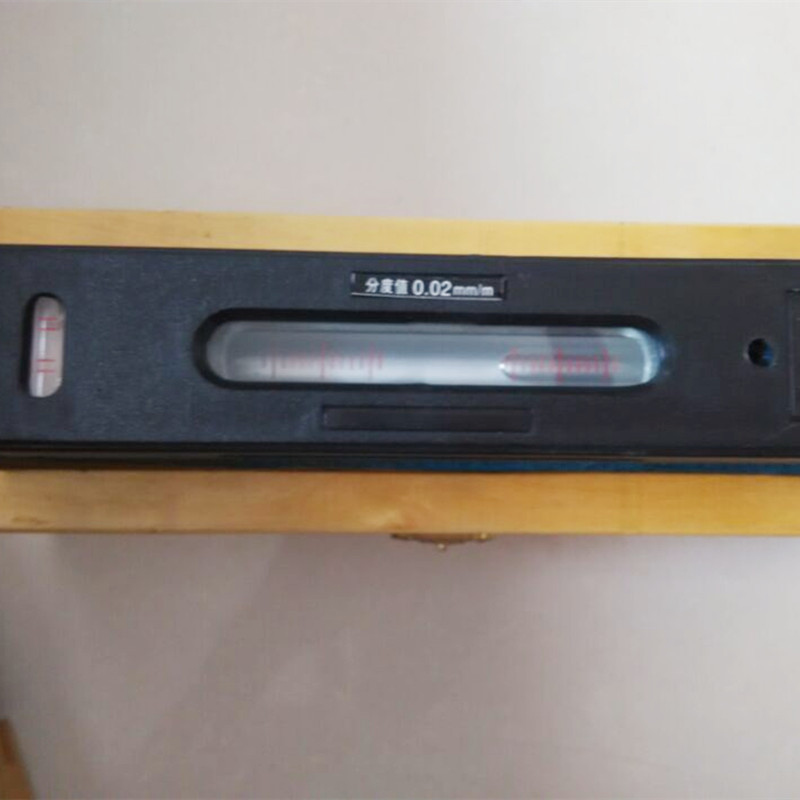
green tempered glass
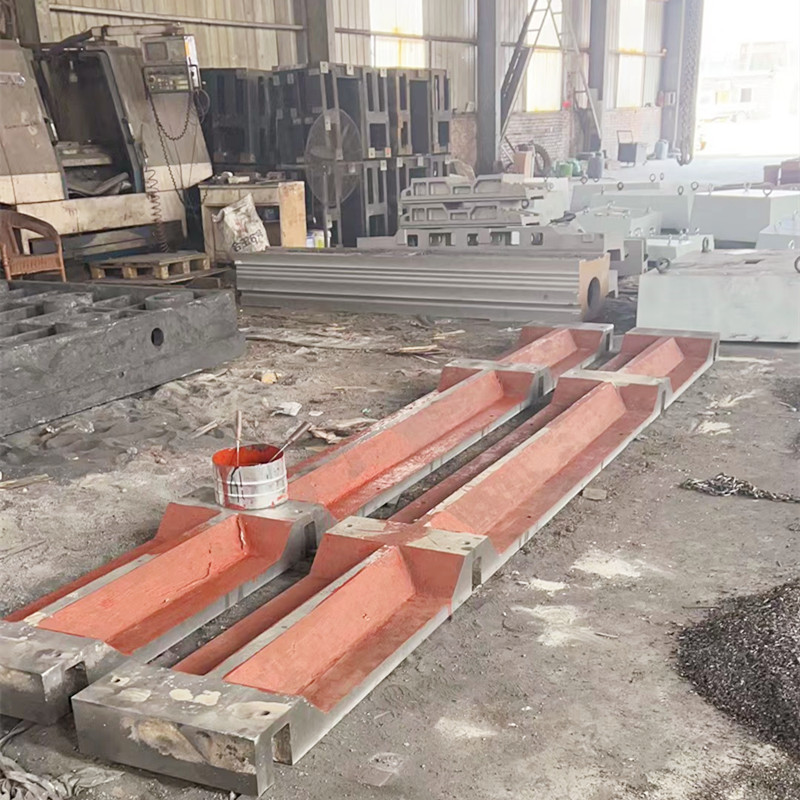
The Importance of Cast Iron Inspection Surface Plates in Quality Control In the realm of manufacturing and precision engineering, quality control is paramount. An essential tool in this process is the cast iron inspection surface plate. Used extensively in various industries, these plates provide a stable and precise reference point for measuring components and ensuring they meet the required specifications. Understanding cast iron inspection surface plates, their characteristics, and their applications can greatly enhance quality assurance processes. What Is a Cast Iron Inspection Surface Plate? A cast iron inspection surface plate is a flat, heavy object made from cast iron, designed with a high degree of accuracy. These plates are typically machined to a smooth surface, allowing for precise measurements of parts and assemblies. The primary purpose of these plates is to serve as a reference plane for various inspection tasks, such as layout, measuring, and checking the alignment of manufactured components. Characteristics of Cast Iron Surface Plates One of the key characteristics of cast iron is its ability to absorb vibration, which contributes to its effectiveness as an inspection tool. This property ensures that measurements taken on the plate are stable and not affected by external disturbances. Furthermore, cast iron surface plates are known for their durability and resistance to wear. This longevity is particularly beneficial in industrial settings where heavy components are frequently handled. Another important feature is the thermal stability of cast iron. Temperature fluctuations can cause materials to expand or contract, potentially leading to inaccuracies in measurements. However, cast iron plates maintain their dimensional integrity across a range of temperatures, ensuring consistent performance in different operating conditions. Applications of Cast Iron Inspection Surface Plates Cast iron inspection surface plates are used in a myriad of applications within manufacturing, machining, and assembly facilities . They play a crucial role in tasks such as cast iron inspection surface plate 1. Quality Assurance Inspection surface plates are fundamental for measuring the dimensions of machined parts and ensuring they adhere to design specifications. This step is vital for maintaining product quality and ensuring that components fit together correctly. 2. Layout Inspection Engineers and machinists use these plates to layout parts for further machining. By providing a flat reference, they can mark out features with accuracy, ensuring that subsequent operations are performed correctly. 3. Calibration of Measuring Instruments Calibration of various measuring tools, such as calipers and micrometers, is critical for maintaining the precision of measurements. Cast iron surface plates provide a reliable standard for this calibration process. 4. Assembly and Alignment When assembling large structures or machines, accuracy is vital. Cast iron plates help in aligning components accurately, ensuring the assembled product functions as intended. Maintenance of Cast Iron Surface Plates Proper maintenance is essential to ensure the longevity and accuracy of inspection surface plates. Regular cleaning and inspection for damage or wear are necessary practices. It is advisable to keep the surface free of any debris or foreign particles that could affect measurement accuracy. Additionally, using appropriate storage methods, such as covering the plate to prevent dust accumulation, can help maintain its condition. If wear occurs over time, some plates can be resurfaced to restore their flatness and accuracy. However, this process should be carried out by skilled professionals, as improper resurfacing can lead to further inaccuracies. Conclusion In conclusion, cast iron inspection surface plates are invaluable tools in the realm of quality control and assurance. Their unique properties, coupled with their diverse applications, make them an integral part of manufacturing processes. By providing stable, durable, and accurate reference surfaces, they play a crucial role in ensuring that products meet stringent quality standards. As industries continue to prioritize precision and accuracy, the significance of these plates will only grow, marking them as essential components in the toolkit of quality assurance professionals. Investing in quality inspection surface plates is an investment in the overall quality of the manufacturing process, leading to greater efficiency and customer satisfaction.
about
green tempered glass
Understanding Pin Gauge Sizes A Comprehensive Guide In the realm of precision engineering and manufacturing, ensuring the accuracy of dimensions is paramount. One of the essential tools used in this domain is the pin gauge, also referred to as a pin gauge set or plug gauge. Pin gauges are cylindrical rods that are used to check the diameter of holes, the depth of holes, and to ensure that components fit together correctly. Understanding pin gauge sizes is crucial for engineers, machinists, and quality control specialists who strive for precision. What Are Pin Gauges? Pin gauges are highly precise measurement tools designed to determine whether a hole or feature meets specific dimensional requirements. They come in a variety of sizes, allowing for the measurement of different diameters. Typically made of high-quality steel, pin gauges are often ground to tight tolerances, ensuring they provide accurate measurements essential for maintaining quality in manufacturing processes. Types of Pin Gauges There are two primary types of pin gauges go gauges and no-go gauges . 1. Go Gauges These are used to determine whether a workpiece meets the minimum acceptable size. A go gauge should fit into the hole or slot without force if the dimension is correct. 2. No-Go Gauges In contrast, no-go gauges are designed to check if a part exceeds the maximum allowable size. If a no-go gauge fits, it indicates that the part is out of specification. Using both types of gauges ensures that components are within specified tolerances, thus reducing the risk of assembly issues and failures later in the manufacturing process. Understanding Pin Gauge Sizes pin gauge sizes Pin gauges come in various sizes, typically categorized by diameter and are available in sets that cover a range of measurements. Common diameters can range from fractions of a millimeter to inches, depending on the requirements of the application. It is essential to select the correct pin gauge size based on the specific measurement you wish to verify, which is usually dictated by engineering specifications or standards. Manufacturers and engineers need to be particularly aware of sizes based on standard size series. The American National Standards Institute (ANSI) and the International Organization for Standardization (ISO) provide guidelines on standard sizes, making it easier for professionals to select the appropriate gauge. Applications of Pin Gauges Pin gauges are utilized across various industries, including - Manufacturing Pin gauges help ensure that machined parts meet stringent tolerances, preventing defects that could lead to machinery failure. - Aerospace In the aerospace sector, where components must meet meticulous safety standards, pin gauges play a critical role in quality assurance. - Automotive In automotive engineering, pin gauges are essential for ensuring that parts fit together correctly and function as intended, which is crucial for vehicle safety and performance. - Medical Devices Precision is vital in medical device manufacturing. Pin gauges assist in meeting regulatory standards for size and fit, which can have a direct impact on patient safety. Conclusion In summary, pin gauges are indispensable tools in engineering and manufacturing, ensuring that parts are manufactured to exact specifications. Understanding how to use and select the appropriate pin gauge size is essential for professionals who aim to deliver high-quality products. As industries continue to demand precision and reliability, the importance of tools like pin gauges cannot be overstated. By adhering to standard sizes and utilizing proper gauging practices, engineers can enhance the integrity of their manufacturing processes and ensure that the end products meet the highest standards of quality and performance.
-

High quality industrial productsagement

High quality industrial products
View Details -

Meet the diverse needs of customers

Meet the diverse needs of customers
View Details -

Strict quality control

Strict quality control
View Details -

Top raw materials

Top raw materials
View Details -

Trusted supplier

Trusted supplier
View Details
Our application


news and information

Valvola di ritegno di mezzo pollice
Valvole di controllo da mezzo pollice Funzioni e applicazioni Le valvole di controllo da mezzo polli
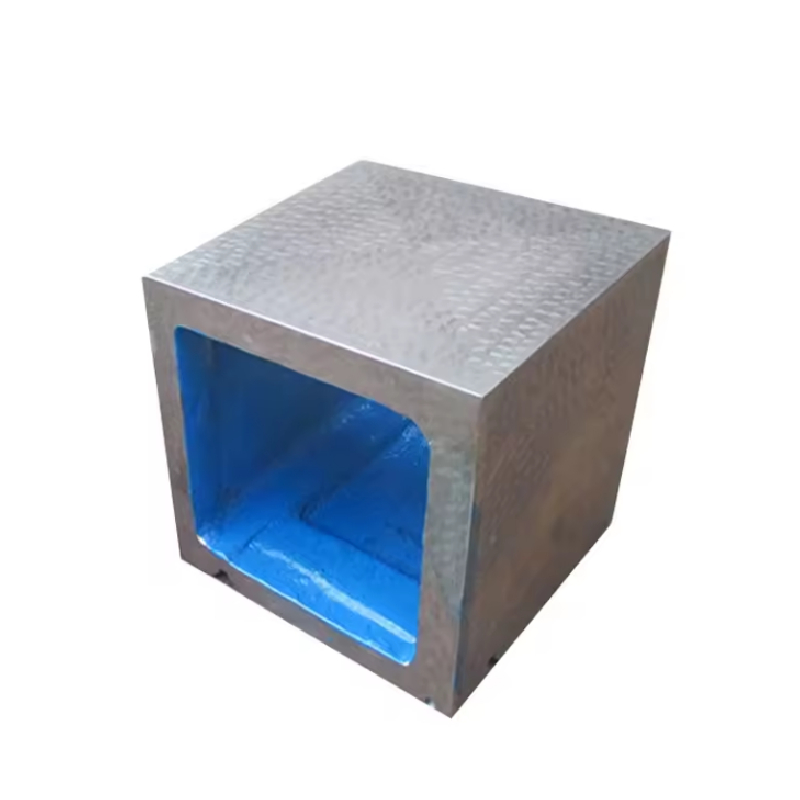
v frames
The Evolution and Impact of V Frames in Modern Visual Media In the rapidly evolving landscape of vis
Válvula de puerta de 3 cuchillos
La válvula de compuerta de cuchilla al 3% es un componente esencial en muchos sistemas industriales
 English